If there is a rare disease, there should be a patient registry.
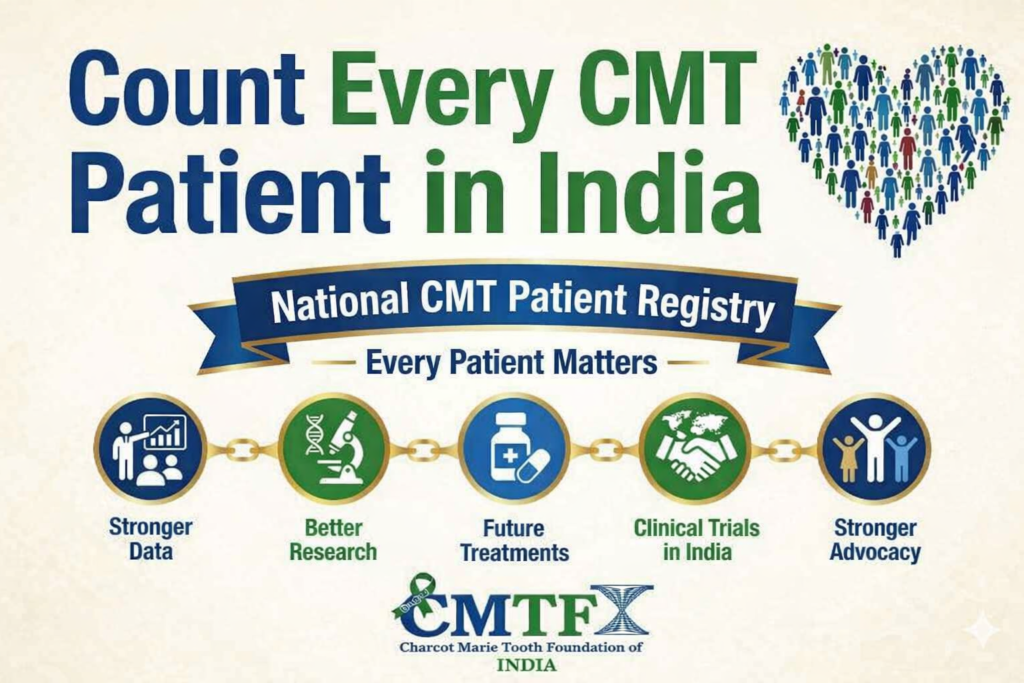
If there is a rare disease, there should be a patient registry. When a rare disease is identified, the immediate focus is often on finding a treatment. Yet, one of the most important questions remains unanswered: Do we truly understand the disease? Before therapies, before clinical trials, and before biomarkers, comes the Data. And the most powerful way to systematically collect that data is through a patient registry. For clinicians, geneticists, and researchers, a patient registry is much more than a database. It is a scientific foundation that supports answers to critical questions, such as: How many patients & families are affected with this disease? Where are they located? What could be the origin or root-cause? What genetic variants are involved? How does the disease progress over time? Why do some patients progress faster than others? Which clinical outcomes matter most to patients and families? Patient registries make it possible to conduct natural history studies, which are essential for understanding how a disease evolves in the absence of treatment. Without this knowledge, it becomes difficult to measure whether a new therapy is truly effective. Registries also help researchers move from observation to discovery. They enable the identification of disease patterns, support biomarker development, reveal genotype-phenotype correlations, and help uncover the underlying molecular mechanisms driving disease progression. For industry and clinical trial sponsors, registries are often the first step in assessing trial readiness. They provide insights into patient numbers, geographic distribution, disease severity, and potential recruitment pathways. Many successful rare disease trials around the world were built upon years of registry data. Beyond research, registries have another important role: they bring visibility to conditions that are often misunderstood. By generating reliable evidence, they help dispel myths, reduce stigma, strengthen advocacy efforts, and support evidence-based policy making. In many ways, a patient registry serves as a roadmap: It helps identify immediate needs such as proper diagnosis and access to care. It informs intermediate goals such as biomarker development and therapeutic research. It supports the ultimate goal of disease-modifying treatments and, one day, a cure. As physicians, geneticists, researchers, patient organizations, and policymakers work together to advance rare disease research, one principle remains universally relevant: You cannot effectively study, manage, or treat what you do not systematically understand. And that understanding begins with a patient registry. If there is a rare disease, there should be a patient registry, because: No registry → limited understanding. Limited understanding → limited research. Limited research → limited therapeutic progress. This is precisely why the National CMT Patient Registry was established in India—to create a foundation for natural history studies, biomarker discovery, clinical trial readiness, and future therapeutic development for Charcot-Marie-Tooth disease. Registry: https://cmtfoi.org/patient-registry/ #RareDiseases #PatientRegistry #CharcotMarieTooth #CMTFoundationOfIndia