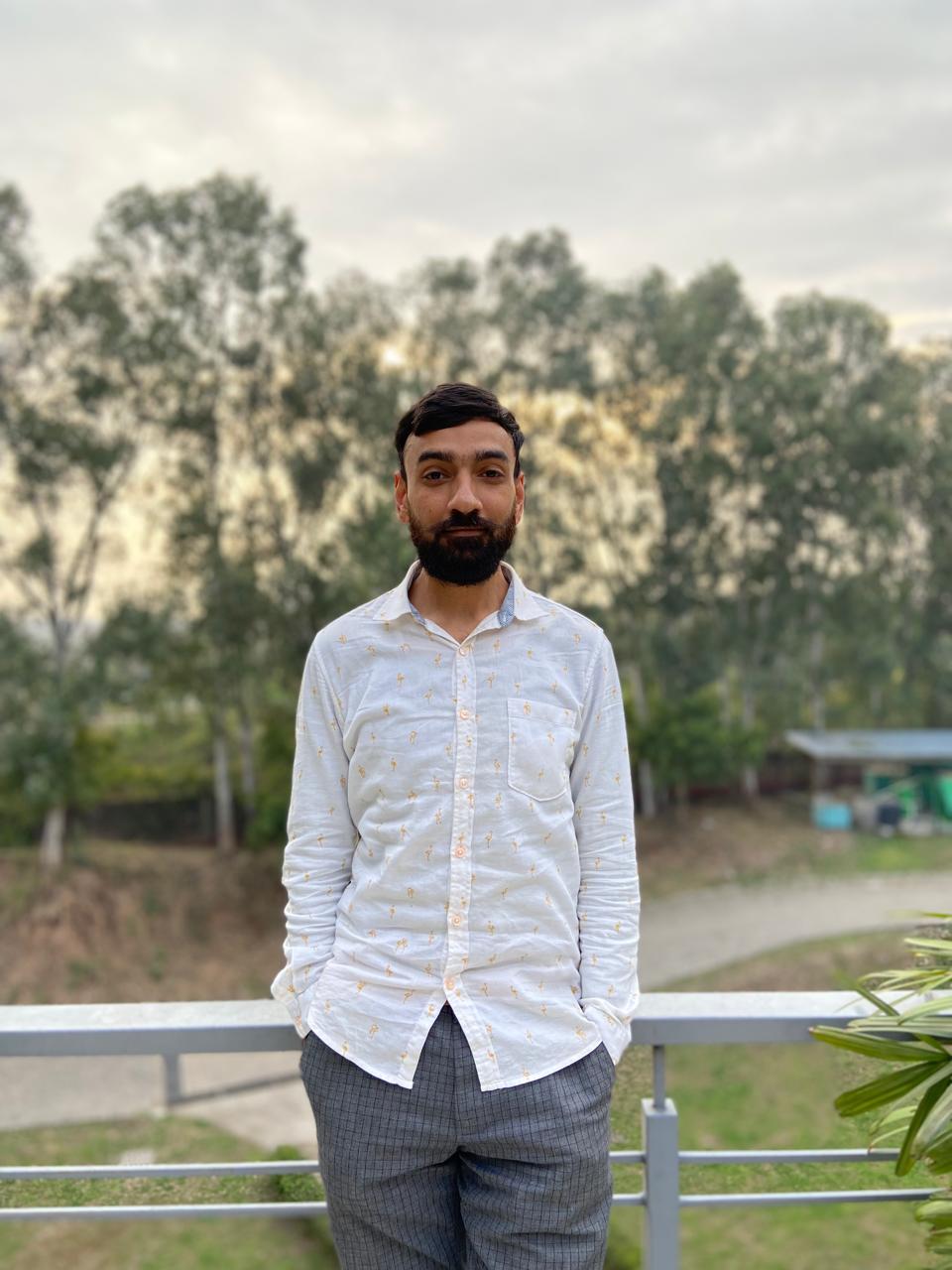
“I’m Tarun Singh, originally from Chandigarh and currently residing in Greater Noida for work. Looking back, I had mild symptoms of Charcot-Marie-Tooth disease (CMT) since childhood. I was never very active in sports and often lagged behind in physical activities, but the symptoms were subtle enough to go largely unnoticed. Around the age of 14, however, things became more apparent when I began struggling to write properly during exams, which significantly affected my academics. I received a confirmed diagnosis around that time, while my specific subtype — CMT1X — was identified much later, when I was around 30 years old.
My primary symptoms include permanent foot drop, which prevents me from running, pes cavus (high-arched feet), and severe weakness in my thumbs. To improve function in my right hand, I underwent opponensplasty surgery, which restored some thumb movement and made everyday tasks like holding a pen, opening bottles, and gripping objects much easier. Despite the challenges that come with CMT, I’ve tried to maintain a healthy lifestyle and a positive outlook. There are still struggles that remain, but over the years I’ve learned to adapt and continue moving forward.”



Stories of Hope & Strength
Every patient journey is unique. These inspiring stories highlight courage, resilience, awareness, and the importance of community support.
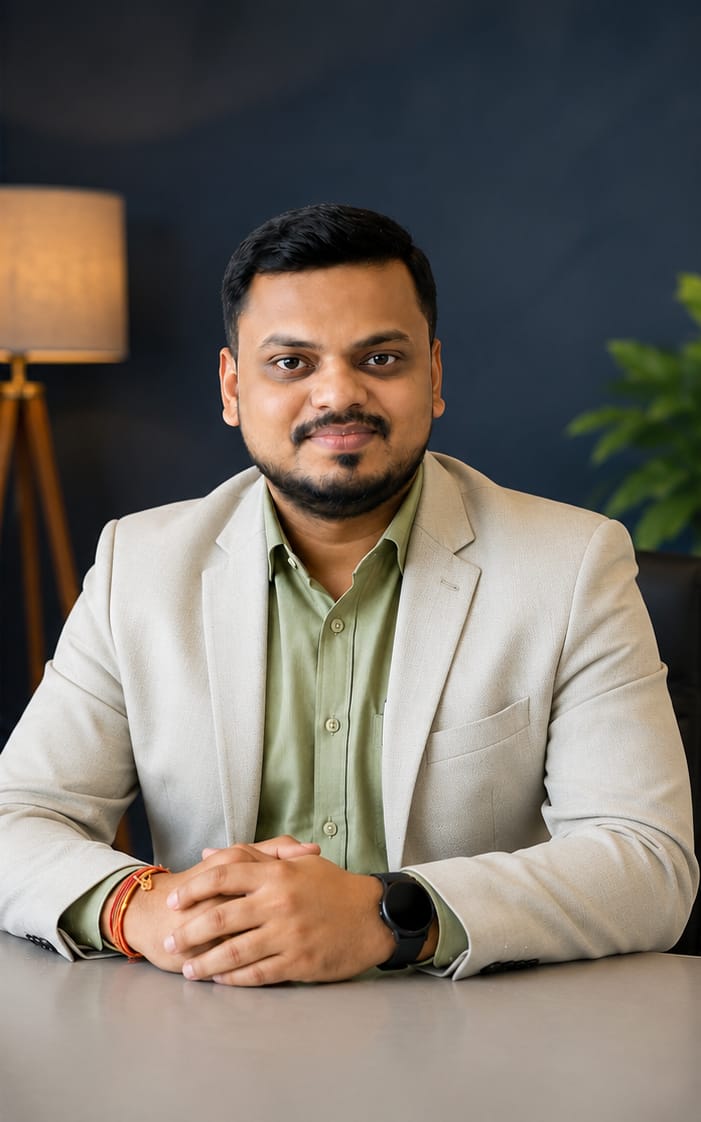
“Living with Charcot Marie Tooth disease (CMT) has been a challenging journey physically, emotionally, and socially. Progressive weakness, foot drop, balance difficulties, muscle wasting, and reduced fine motor movements have affected many aspects of my daily life. Even simple tasks that most people take for granted often require extra effort and determination.
Despite these challenges, I have learned the importance of resilience, awareness, and community support. One of the hardest parts of living with CMT is the lack of awareness and understanding about this rare disease. Many patients silently struggle without proper diagnosis, guidance, or emotional support.
I strongly believe that patient communities and organizations can create real change by connecting patients, spreading awareness, supporting research, and giving hope to families affected by CMT. No patient should feel alone in this journey.
My goal is not only to fight my own condition with courage but also to contribute toward building a stronger and more united CMT community for the future.”
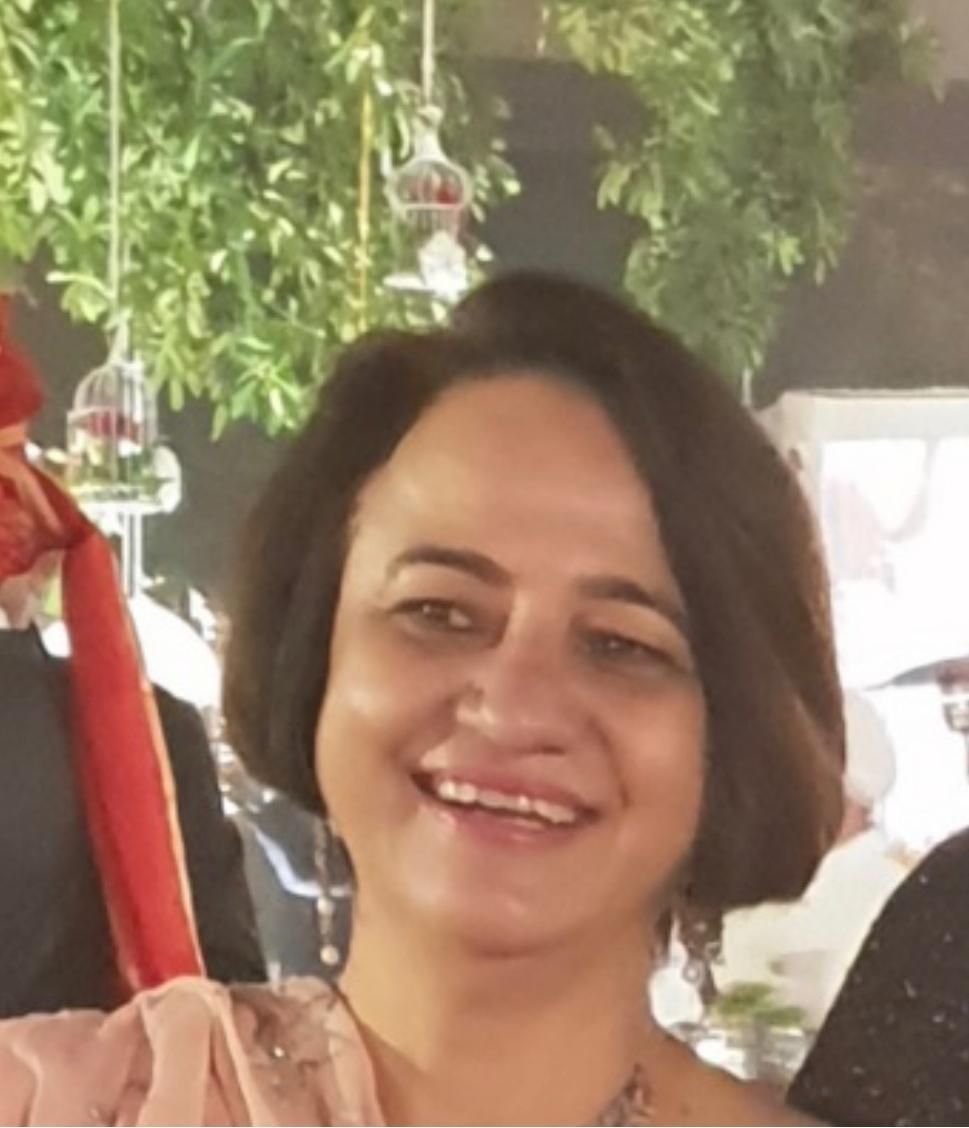
“A truth fell on me like a bombshell in 2002 that I am mother and Carrier of CMT . I was never alone, my husband; Brig Mandeep has always been a rock-solid support. My brother Dr. Sarvinder (Pediatrician) has always tried to search for solutions both professionally and caringly, yet we faced misdiagnoses, fear for future and absolute silence due to lack of treatment. After many ups and downs emotionally and medically, now we are more confident as our sons are strong and understand that where there is no cure you look for solutions. After becoming a member of this relentless group (CMT ) we get to know the latest developments in research with emotional support.”
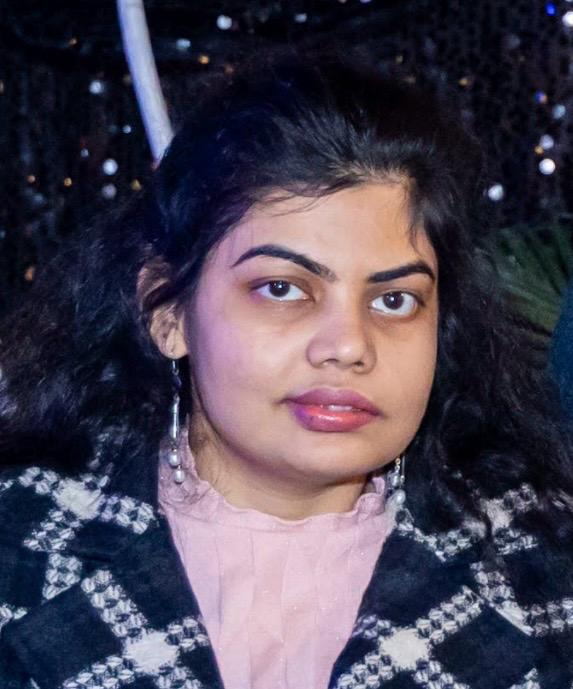
“Living with CMT 4C and being dependent on a wheelchair has been a significant part of my journey, but it has never defined my limits. I, Pankhuri Jain, am currently serving as an Assistant Professor at IIT BHU, and I continue to pursue my academic and professional goals with determination and a positive mindset.
There are challenges, of course, but I choose to focus on growth, resilience, and possibilities rather than limitations. My journey reflects that with the right support, mindset, and perseverance, one can continue to move forward and create meaningful impact.”